Lewis and Clark State Park
Here’s the place for a beginning birder. 621-acre Lewis and Clark State Park attracts birds with streams, wetlands, and old-growth Douglas fir forests. Watch for California Quail, Hairy and Pileated Woodpeckers, Steller’s Jays, Common Ravens, and Great Horned Owls. Take the self-guided half-mile Old-Growth Interpretive Trail, starting from the first parking area. Seven additional miles of trails crisscross the park.
Find more information on birding at Lewis and Clark State Park.
Swofford Pond
Many bird species can be spotted at Swofford Pond. Located near Mossyrock, this 220-acre pond is surrounded by wetlands and mature deciduous trees. Birding is excellent year-round. Take a quiet walk along a 1.25-mile shoreline trail, or watch from the water in a non-motorized boat.
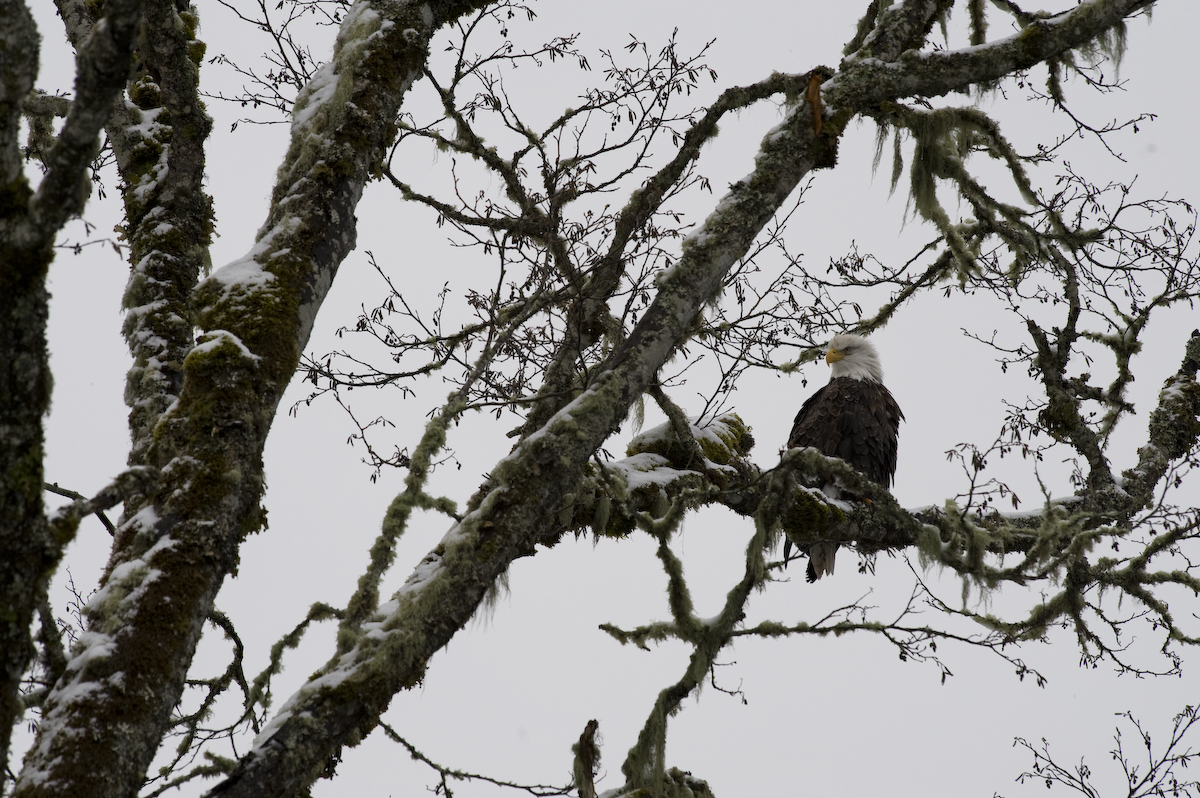
Birds commonly seen include Western grebes and nesting ospreys, as well as common loons, Barrow’s goldeneyes, and common mergansers. Listen for Ruby-crowned kinglets and pine siskins singing high in the cottonwoods. See Pacific-slope and willow flycatchers in the alders. Red crossbills can be seen from late spring to late autumn. Winter brings northern shrikes, northern shovelers, lesser scaups, and northern pintails. Also staying the winter include blue-winged, green-winged, and possible cinnamon teal as well as an occasional ring-necked duck. Living year-round in this birding paradise include American kestrels, bald eagles, red-breasted sapsuckers, and downy, hairy, and pileated woodpeckers.
Find more information on birding at Swofford Pond.
Peterman Ridge Unit of the Cowlitz Wildlife Area
As the largest unit on the Cowlitz Wildlife Area, with 6,840 acres south of Morton, Peterman Ridge is managed primarily for the pileated woodpecker, black-tailed deer, and Douglas squirrels. Ten miles of multi-use trails make this area easily accessible for birding. The single-track trails connect forest roads across the land.
For more information on birding at the Peterman Ridge Unit.
Kosmos Unit of the Cowlitz Wildlife Area
Ponds, three perennial creeks, emergent wetlands, riparian forest, and riparian shrub habitats make up the 750 acres of the Kosmos Unit of the Cowlitz Wildlife Area on the east end of Riffe Lake. It is well known as a top spot to brush up on spring sparrow identification. Watch for Chipping, Savannah, Lincoln’s, White-crowned, and Golden-crowned. Spot Wood Ducks in the wetland areas. Birds of prey, eagles, shorebirds and songbirds, upland birds and waterfowl all make their home here. In the summer months, watch for ospreys; in autumn, spot bald eagles and Cooper’s Hawks.
Find more information on birding at the Kosmos Unit.
Kiona Creek Unit of the Cowlitz Wildlife Area
The Kiona Creek area offers a nice stroll along the creek through deciduous and coniferous forests, providing a peaceful, quiet spot for bird watching. Birds of prey, eagles, songbirds, and waterfowl all make their home in these lands. Those birders looking to practice spring sparrow identification need look no further. Chipping, Savannah, Lincoln’s, White-crowned and Golden-crowned sparrows can all be spotted. Three creeks flow through the area: Squaw, Kiona, and Oliver Creeks. Watch the wetland areas for Wood Ducks and the trees for Black-headed and Evening Grosbeaks.
Find more information on birding at the Cowlitz Wildlife Area.
Woods Creek Wildlife Area
Looping through five habitat areas, this Gifford Pinchot National Forest trail offers birders an excellent opportunity to view birds in several different habitats, all along the same trail. Begin this forest walk in a mixed hardwood conifer forest, then break into the bright openness of a meadow, leading to a beaver pond before entering a hardwood forest. This figure-eight trail is built to barrier-free standards by volunteers. It is 4 feet wide with compacted gravel surfacing, making it a nice nature trail for birders of all ages. The Woods Creek Watchable Wildlife Trail No. 247 is 1.5 miles long. At the halfway point, 1-mile Old-Growth Loop Trail No. 247A begins.
Birds common to Woods Creek include warbling vireos and red-breasted sapsuckers in the deciduous riparian trees and shrubs, April through October. Scan the area for Wilson’s, MacGillivray’s, and black-throated gray warblers; and Pacific-slope, willow, and Hammond’s flycatchers. In the wetland areas, see wood ducks on the pond; Virginia rails, common yellowthroats, and marsh wrens can be spotted in the cattails. The best viewing seasons are spring and summer. Morning and evening are prime viewing times.
To get to Woods Creek from Highway 12, turn south onto Highway 131 at Milepost 115 in the town of Randle. Drive 0.9 miles. Bear right at the “Y” onto Forest Service Road 25. Drive 4.6 miles. Turn left into Woods Creek Wildlife Area.
Find more information on birding at Woods Creek Wildlife Area.
Packwood Lake
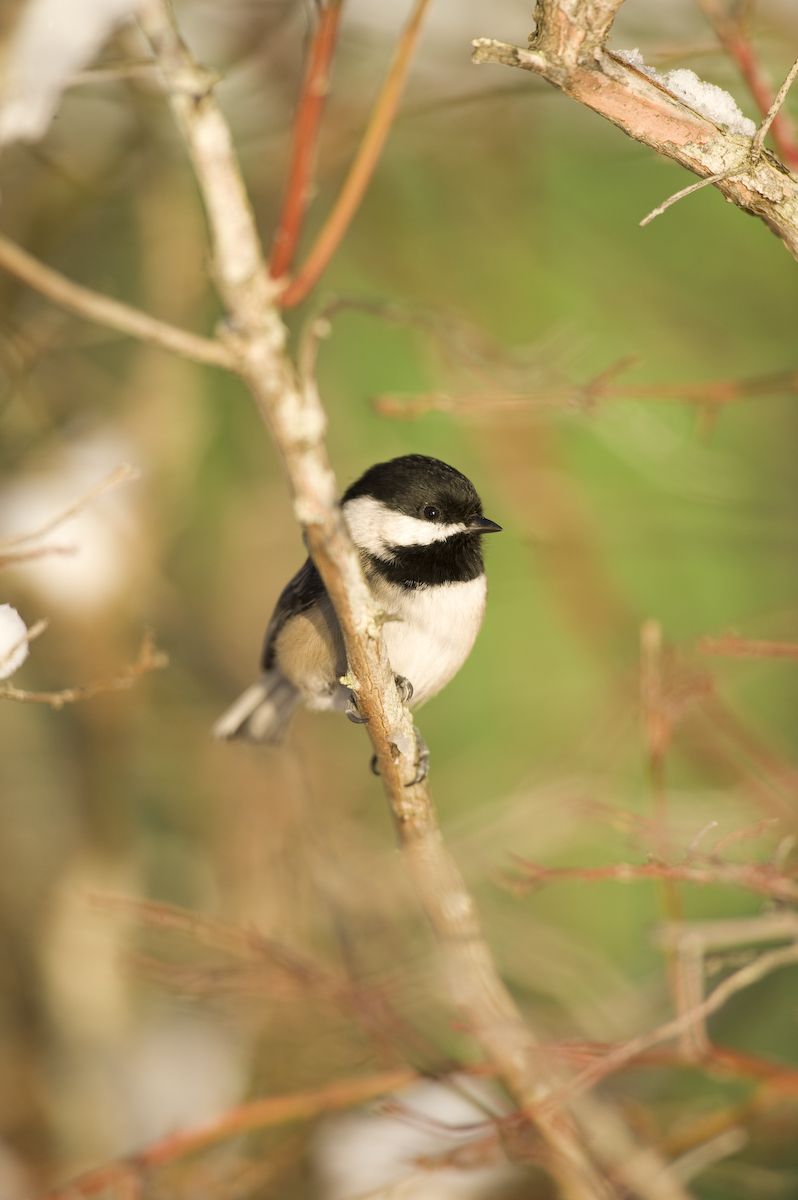
Located in the Cascade Mountains near the mountain community of Packwood, the lake is roughly 2 miles long and 0.6 miles wide and is considered a birding hotspot in the area. Birds common to the Packwood Lake area include Winter Wrens, Brown Creepers, Red-breasted Nuthatches, Chestnut-backed Chickadees, Townsend’s Warblers, Varied and Swainson’s Thrushes, and Hammond’s Flycatchers. At the lake, keep an eye out for Common Loons and Common and Barrow’s Goldeneyes. Listen for Hairy and Pileated Woodpeckers tapping on the trees, and view loons and Ospreys fishing the lake. Bald eagles are often seen cruising the sky, and wood ducks float near the lake’s edge.
To reach the Packwood Lake trailhead from Packwood, follow U.S. Highway 12 to the east end of town and turn southeast onto Forest Road 1262, next to the former USFS Packwood Ranger Station. Continue southeast on FR 1262 for 6 miles to the trailhead parking lot.
The Packwood Lake trail is a nine-mile round-trip hike.
View a trail description and driving directions.
Mount Rainier National Park
Mt. Rainier National Park is well known as a birder’s paradise, with 165 bird species living within its borders. Some of these birds are year-round residents, while others make the park their home during certain seasons. Among the most commonly viewed birds are Thrushes, Chickadees, Kinglets, Clark’s Nutcracker, Ptarmigan, Grouse, Steller’s and Gray Jays, Eagles, Grosbeaks and Finches.
The distribution of birds in the park can be broken down by life zone and is related to elevation. Near Ohanapecosh, below 3500 feet elevation, walk the Grove of the Patriarchs and Eastside Trail. Making their home in this area are Gray and Steller’s Jays, Varied Thrush, Olive-sided Flycatcher, Chestnut-backed Chickadee, Townsend’s Solitaire, Western Tanager, Townsend’s Warblers, and Pine Siskin. Watch for American Dippers along the river. Also at a lower elevation, at Longmire, take the Trail of the Shadows, watching for Band-tailed Pigeon and Red-breasted Sapsucker, as well as Vaux’s Swift, Clark’s Nutcracker, Red-winged Blackbird, Brown Creeper, Canadian Geese, Golden-crowned Kinglets, Varied Thrush, and Mountain Bluebird.
At elevations between 5000 and 6500 feet in the park, many birds make their home, especially in the summer. At Sunrise, short nature trails provide opportunities to view White-tailed Ptarmigan, Clark’s Nutcrackers, Gray Jays, and Gray-crowned Rosy-Finches. Less common are Blue Grouse, Evening Grosbeaks, and Cooper’s Hawks. See Common Ravens nesting on cliffs near Burroughs Mountain and watch for Golden Eagles from high lookouts such as Emmons Vista and Mount Fremont Lookout. In August, watch for soaring raptors, including Osprey. In the Paradise meadows, Rufous Hummingbirds are often seen buzzing about.
Find a checklist of birds inhabiting Mount Rainier National Park.